
Begin with drinking water and a clean jug
This cooler relies on water carrying the aroma of prepared produce, so use water suitable for drinking and a clean jug. Wash the jug and any utensils before assembly, and avoid a container with a lingering flavor from a previous strongly scented drink. Ice should also be made from drinking water. The ingredients are not boiled during the method, so clean preparation remains relevant even though the recipe looks simple. Keep the water cold and have glasses ready if serving immediately. The finished drink is a lightly flavored water, not a promise of a medical or cleansing effect. Its purpose is refreshment and flavor, which can be described without inventing health claims.
Wash cucumber before slicing it
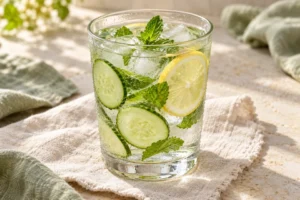
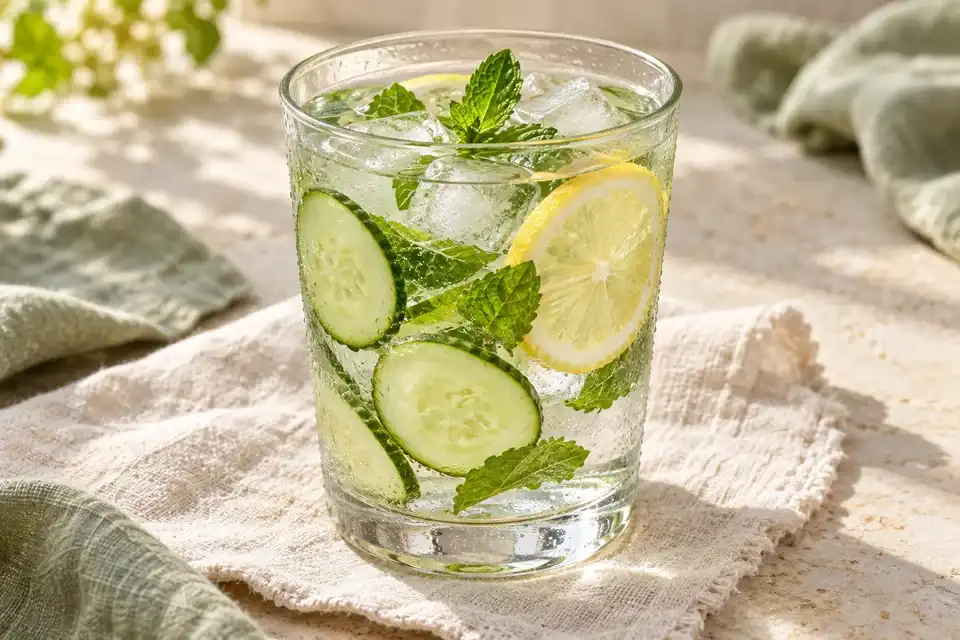
Rinse the cucumber under running water and remove damaged portions. Slice it on a clean board with a clean knife so it does not contact a surface used for raw meat or fish. Thin slices expose more surface to the water and are easier to distribute through the jug than thick chunks. The skin can remain if it is sound and you enjoy its flavor, but peel it if that better suits the cucumber and your preference. Consistency matters more than decorative perfection. If the cucumber has a strong bitter taste, assess it before adding the entire quantity. The recipe should not rely on lemon or mint to disguise produce that you would not enjoy eating on its own.
Prepare lemon without assuming every fruit tastes alike
Wash the lemon before slicing, remove seeds where practical and use slices of reasonably similar thickness. Lemon peel and flesh both influence the flavor as the drink stands. A very thick slice with a great deal of pith may contribute a different balance from a thin slice. Begin with the ingredient amount in the recipe, then adjust a later batch if you prefer a lighter lemon note. Squeezing additional juice directly into the jug creates a more acidic drink and is a variation rather than a requirement. Keep any fresh serving garnish separate from utensils that have contacted unrelated raw foods. A slice added at the end is ready-to-eat produce and should be handled accordingly.
Handle mint gently to release aroma
Wash the mint and inspect the leaves, discarding damaged or unsuitable pieces. Gently press the leaves between clean hands as the method describes, then add them to the jug. This bruises them enough to release aroma without grinding them into a paste that clouds the drink. Remove tough stems if you do not want them floating among the slices. Mint strength varies, so start with the stated amount before packing the jug with extra leaves. If the leaves have been sitting dry for a long time or look poor, more quantity is not necessarily a useful fix. Fresh, clean, aromatic leaves and a gentle preparation make the flavor easier to control.
Choose between immediate service and a short chilled infusion
The recipe can be served soon after mixing, or chilled for the optional thirty-minute period to develop a stronger flavor. Keep the jug refrigerated during that rest rather than leaving prepared produce in water on the counter. Stir before serving so the flavor and slices are distributed. A longer infusion is not automatically better: cucumber, lemon peel and mint can change character as they remain in the water. Taste at the stated optional point and decide whether the drink has the light balance you want. The cooler is intended to be refreshing and subtle. It does not need to become strongly bitter or sour to prove that the produce has contributed flavor.
Add ice with dilution in mind
Divide ice among the glasses and pour the cooler over it as directed. As the ice melts, the flavor becomes lighter, which is part of serving a water-based drink cold. If you prefer less dilution, begin with chilled water and use a smaller amount of ice rather than adding a concentrated unplanned quantity of lemon. Use clean utensils or a clean scoop for shared ice rather than reaching into the container repeatedly with handled glasses. Choose glasses with room below the rim so the slices and ice do not cause overflow. An ice-filled glass can look generous before liquid is added, so pour gradually and watch the actual volume rather than judging by the jug's remaining amount alone.
Serve the produce as a flavoring, not a storage shortcut
Cucumber and lemon slices can remain in the glass for presentation, but they do not make the drink suitable for unlimited room-temperature holding. Treat the prepared cooler according to the storage guidance below. For a shared table, use a clean pouring jug and keep the remaining drink cold when practical. Do not keep topping up the same old produce through repeated days and assume the freshness has reset because new water was added. If making another batch, start with freshly prepared ingredients and clean equipment. The visual clarity of the water does not establish that the produce and container have been handled correctly, so preparation and storage decisions should remain explicit.
Make a simple advance-preparation plan
You can chill the drinking water and prepare clean equipment ahead, then slice the produce close to assembly. If preparing components earlier, store them appropriately in covered containers and keep them refrigerated. This separates convenience from the assumption that a full jug should stand for a long period before use. For transport, choose a suitable covered container and a way to maintain the required cold conditions. Add ice closer to serving if you want more control over dilution. Keep a note of when the drink was prepared rather than relying on how green the mint still looks. A small batch made for the next serving is easier to manage than an oversized jug with no clear plan for its remaining produce.
Adapt flavor while keeping claims and ingredients clear
Another fresh herb or a different slice of citrus can make a variation, but each introduces its own flavor and possible bitterness during infusion. Change one element at a time so you can judge the result. Adding syrup creates a sweetened drink and should be described as such rather than presented as the same unsweetened cooler. Sparkling water changes the serving experience and may lose its bubbles during a long rest, so add it close to serving if you choose that variation. None of these changes supports a claim that the drink detoxifies, cures or replaces medical care. The useful promise is modest and concrete: cleanly prepared, lightly flavored drinking water served at a comfortable refreshing temperature.