A Small Pantry for Easier Weeknights
A few flexible ingredients can take the pressure out of dinner. Start with foods you already enjoy, then give each one more than one job.

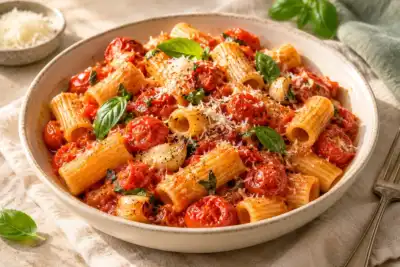
Choose a grain, a bean, and a sauce
Keep one or two grains or pasta shapes, two types of canned beans, and canned tomatoes. Rice can become a skillet dinner; beans can become soup, salad, or toast. Buying fewer ingredients with several uses is often more practical than building an enormous pantry.
Add a small flavor shelf
Olive oil, a neutral cooking oil, vinegar or lemons, cumin, smoked paprika, and cinnamon cover many everyday meals. Keep the spices you actually use and buy modest amounts so they stay fresh. Salt and pepper help you season gradually; taste before adding more.
Let the fridge and freezer help
Frozen peas, sweetcorn, and vegetables save preparation time. Follow package cooking instructions, including those for frozen fruit. In the fridge, a few sturdy vegetables and a reliable protein give the shelf-stable ingredients somewhere to go. Plan around what needs using first.
Make a simple weekly check
Before shopping, look through the fridge and choose three dinners. Write down what you are missing and one way to use leftovers safely. Label opened packages and use their instructions for storage. A small repeatable plan is easier to maintain than a complicated menu.
Sources & further reading
Food safety sources checked October 1, 2026. Follow local guidance where it is stricter.
Updated 2026-10-01. How we create and review our guides.