
A Small Pantry for Easier Weeknights
A useful pantry starts with the dinners you actually cook. This guide shows how to choose a small set of ingredients, turn them into three different meals, and restock without filling the cupboard with food you rarely use.

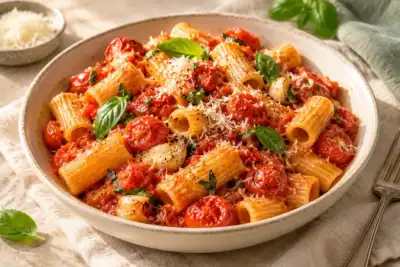
Start with three dinners, not a shopping checklist
Choose three meals you would willingly eat on a busy evening. For example: tomato pasta, a bean-and-rice skillet, and a vegetable soup. Write down their shared ingredients before shopping. Onion, canned tomatoes and beans can appear in several dinners without making those dinners taste identical. Check what you already own and cross it off. A pantry is working when it makes these meals easier; the number of jars on the shelf is not a useful measure of success.
Build a small base you can repeat
For those example dinners, start with one pasta shape, one kind of rice, canned tomatoes, two cans of beans, broth and a cooking oil. Add onions or another aromatic you use regularly. Choose quantities that match your household rather than copying a large stock-up list. Dried beans are economical for some cooks, but they need a separate preparation plan; they cannot replace ready-to-eat canned beans at the same point in a quick recipe.
Give each ingredient a second job
Canned white beans can become the filling for tomato toast, the body of a mushroom soup, or part of a salad. Frozen peas can finish an orzo dish or add color to rice. This second-use check is especially useful for ingredients sold in packs larger than one recipe needs. Before buying an unfamiliar sauce, name another meal where you would use it. If you cannot, a smaller package or a more familiar ingredient may be the better choice.
Keep flavor changes inexpensive
You do not need a different bottled sauce for every meal. Lemon or vinegar brings acidity; cumin adds an earthy note; smoked paprika gives beans a smoky direction; herbs brighten a finished dish. Choose two or three seasonings you enjoy and learn how they taste in familiar meals. Add acidic ingredients near the end when you want a fresh finish. Taste a portion first, especially when your broth or canned ingredients are already salty.
Use the freezer to support the cupboard
Frozen vegetables help when a fresh ingredient is missing, but check the packet's preparation instructions. Put them into meals that tolerate their texture: peas in pasta, mixed vegetables in soup, or sweetcorn in rice. Keep a small note of what is in the freezer so you buy replacements instead of duplicates. Bread can also be portioned before freezing, allowing you to take out what you need for toast rather than thawing a whole loaf.
Turn the same shopping into a three-meal plan
On the first evening, use pasta and canned tomatoes, with a vegetable you already have. On the second, cook the rice skillet with black beans, tomato and sweetcorn. On the third, make a soup using white beans, broth and the remaining vegetables. These are planning examples, not interchangeable recipe formulas: use the quantities and cooking sequence in the individual recipes. The point is to reuse the shopping, not to guess cooking times from a list of ingredients.
Make a ten-minute restocking routine
Before shopping, look at the fridge first: its perishable food usually needs more attention than sealed dry goods. Check the cupboard next and write down only the missing ingredients for your chosen meals. Keep newer packages behind older ones and follow each product's storage instructions after opening. A simple list with three headings—use soon, running low, and meal ingredients—makes it easier to avoid buying another bag of rice while forgetting the vegetables for dinner.
Adapt the plan to your household
A small pantry should reflect your preferences, allergies, equipment and budget. If your household dislikes beans, begin with meals you already know how to cook rather than buying a pantry built around them. If you cook for one, choose ingredients that divide easily or can be used in several meals. Reassess after two weeks: keep the items you used, reduce those left untouched, and add just one new ingredient that solves a specific problem.
Work backward from one busy evening
Choose an evening when cooking usually becomes difficult and describe its actual limits. You may have a short window between work and another commitment, only one clean saucepan, or a household that eats at different times. Select one dinner that fits those limits, then identify the cupboard ingredients it needs. A one-pot orzo requires a different base from a tray of roasted vegetables or a chickpea salad. This exercise stops the pantry becoming a collection of foods purchased because they sound useful in general. The first useful stock item is the one that removes a known obstacle from a real dinner. Once that meal works in your routine, add a second meal with an overlapping ingredient rather than buying an entire imagined kitchen at once.
Separate recipe essentials from optional finishing ingredients
For each planned meal, mark which items are required for the method and which are optional additions. Rice and the correct amount of cooking liquid are structural parts of a rice skillet. An optional fresh garnish is a different kind of purchase. That does not mean fresh ingredients are unimportant; it means their role should be clear when money, cupboard space or shopping time is limited. A small core can support a meal even when a preferred garnish is missing, while a cupboard full of garnish cannot replace the grain or beans. Keep a short list of actual essentials beside the recipe so restocking decisions follow a meal you intend to cook rather than a vague idea of being prepared.
Build a shopping list around prepared quantities
Canned beans, frozen vegetables and dry grains use different kinds of quantities. A can's total weight includes packing liquid, while a recipe may specify drained beans. A packet of dry rice is not the same as an equal weight of cooked rice. Read the recipe's ingredient wording before deciding how many packages to buy. This is especially helpful when planning more than one meal with beans: compare the total prepared amounts you need with the drained quantities available. Do not assume every brand's can or packet matches another. A shopping list that names the ingredient and its intended prepared amount is more useful than one that says simply beans, rice and vegetables without tying them to the actual dinners.
Use a first-in arrangement you can maintain
Put older unopened products where you can see and reach them before newly purchased equivalents. Keep labels and dates visible rather than turning every package into an opaque decorative container. If you decant a dry ingredient, retain the product name, relevant instructions, allergens and date information with it. A beautiful shelf is less useful if you can no longer identify which flour it contains or whether a grain needs a particular method. Choose an arrangement that takes only a few moments to restore after shopping. Elaborate systems often fail when the kitchen is busy. The goal is to notice what is already available before opening another package or buying a duplicate that pushes the older item out of view.
Give an opened product a specific next meal
Once a package or jar is opened, check its storage instructions and decide how its remaining portion will be used. A partly used broth, hummus or prepared sauce may require refrigeration and have a shorter life than the unopened product. Write that next use into the meal plan while you still remember it. For example, remaining prepared beans might belong in a salad or toast topping, while a frozen vegetable can continue supporting several meals if its package instructions allow. Do not assume that being purchased for the pantry makes an opened food shelf-stable. An explicit next meal is more helpful than leaving a half-used container with no date and hoping it will suggest an idea later.
Plan a low-equipment fallback meal
Keep one fallback that suits the equipment you reliably have available. Tomato and white bean toast uses a small skillet and a way to toast bread. A chickpea salad relies mainly on clean preparation and a bowl. A pasta dinner needs a suitable saucepan and, for the roasted tomato version, an oven and dish. Choose the fallback according to your actual kitchen rather than the shortest-looking ingredient list. Write down its full sequence, including opening and draining cans, cutting vegetables and cleaning a board. That makes the fallback a practical meal instead of an emergency pile of ingredients. It should be something you know how to prepare and are willing to eat on a difficult evening.
Review a week by what was used, not by perfect adherence
At the end of the week, check which planned ingredients were used, which meals changed and which foods remain. A meal plan is a tool, so a changed evening does not require calling the entire week a failure. Instead, identify why the change happened. Perhaps a recipe required more preparation than expected, a portion was too large, or an ingredient did not fit another meal. Use that information to reduce the next list or choose a more suitable dinner. Keep useful observations concrete: the lentils were used twice, the fresh herb was left over, or the second rice meal was unnecessary. Those facts lead to better purchases than a general promise to become more organized next week.
Keep dietary checking attached to the products you buy
A pantry list described as vegan, gluten-free or suitable for an allergy needs product-level checking. Broth, sauces, bread and seasonings can contain ingredients that are easy to overlook when looking only at the main bean or vegetable. Read the current labels and relevant cross-contact information, especially when changing brands. Keep products identifiable after decanting so the person preparing dinner can still check them. If different household members have different needs, a separate clearly labelled component may be more useful than one shared sauce assumed to suit everyone. A small pantry can simplify decisions, but its size does not establish dietary safety. The actual ingredients and handling remain the relevant checks.
Use a short written reset rather than a large overhaul
Finish your pantry review with three small actions: identify the next meal, list the missing essentials and make one opened item easier to use. That might mean moving a bean can to the front, noting a refrigerated sauce's next use or adding the correct broth to the shopping list. There is no need to reorganize every shelf each time. A ten-minute reset is valuable when it leads directly to dinner decisions you can follow. Keep the list brief enough to revisit before shopping. If the same product repeatedly goes unused, remove it from the default list instead of buying another because it once appeared on an idealized pantry checklist. A useful pantry evolves from meals actually cooked.
Sources & further reading
Food safety sources checked October 2, 2026. Follow local guidance where it is stricter.
Updated 2026-10-06. How we create and review our guides.